
D-Generation X: From 1997 Rebellion to WWE Hall of Fame
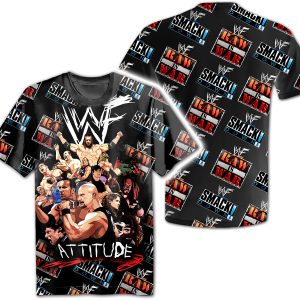
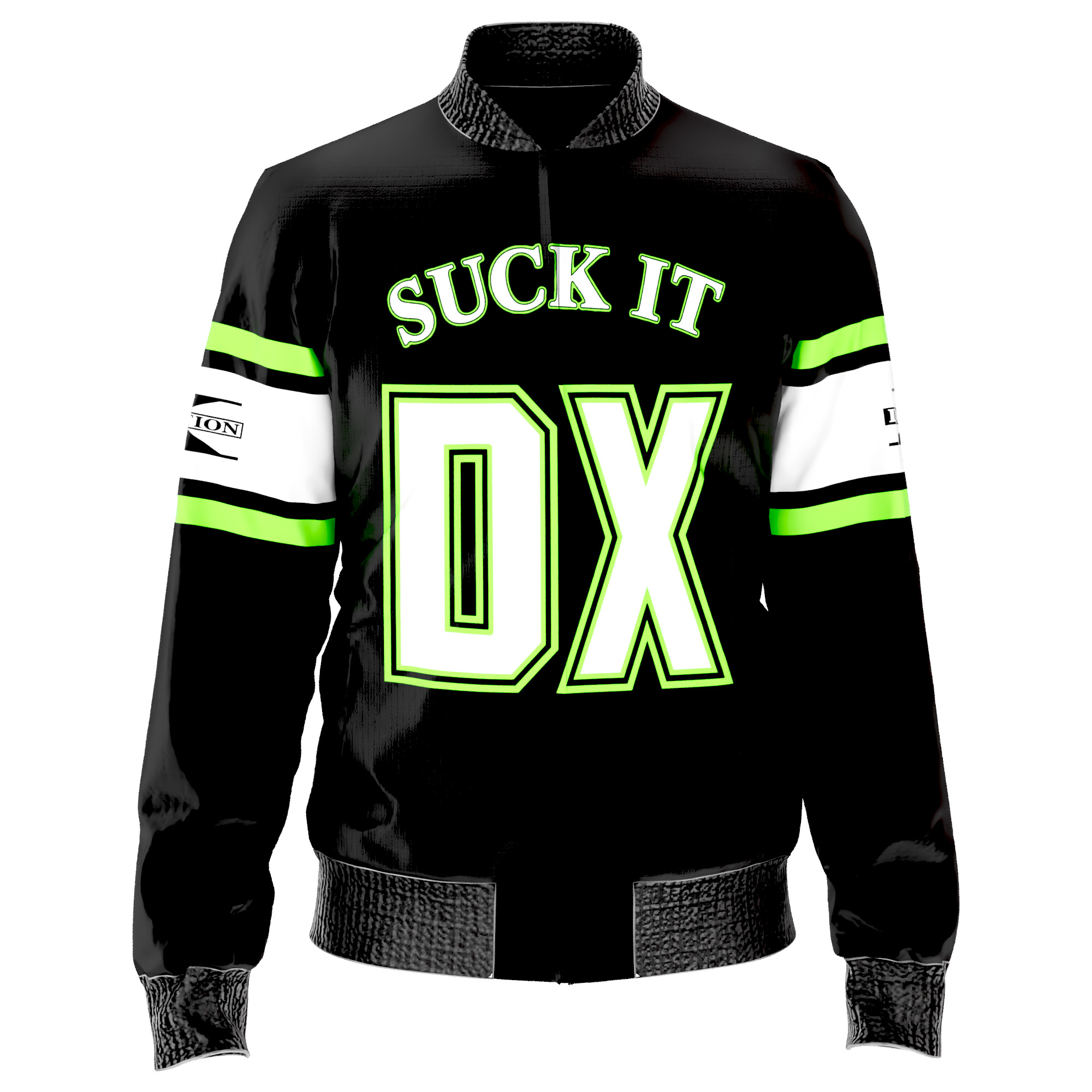
D-Generation X became one of the defining acts of WWE’s Attitude Era because the group was never only about matches. DX combined wrestling, comedy, rebellion, catchphrases, faction identity, and television moments into something fans could recognize instantly.
The Original DX
The faction emerged in 1997 with Shawn Michaels, Triple H, Chyna, and Rick Rude. Michaels and Triple H drove the personality of the group while Chyna gave DX a physical presence that immediately separated it from other stables. Rick Rude added veteran credibility during the earliest run.
DX developed as a heel act, but its anti-authority attitude increasingly attracted fans. The group mocked established wrestling conventions, pushed television boundaries, and became closely tied to the tone of late-1990s WWF programming.
WrestleMania XIV Changes Everything
Mike Tyson’s involvement during the build to WrestleMania XIV brought mainstream attention while Shawn Michaels prepared to defend the WWF Championship against Stone Cold Steve Austin. Austin won the title, Michaels stepped away because of a serious back injury, and Triple H took control of DX on television.
The next version added X-Pac, Road Dogg, and Billy Gunn, with Chyna remaining part of the group. That lineup became the DX Army and connected even more strongly with the live crowd.
DX and the Monday Night War
The 1998 stunt outside a WCW event became one of DX’s signature moments. It captured the aggressive promotional atmosphere of the Monday Night War and helped present WWF as younger, louder, and less predictable.
DX later fractured, reformed, and changed roles as Triple H rose into the main event. Shawn Michaels and Triple H reunited in 2006, and the group continued appearing in anniversary and nostalgia segments for years afterward.
Hall of Fame Legacy
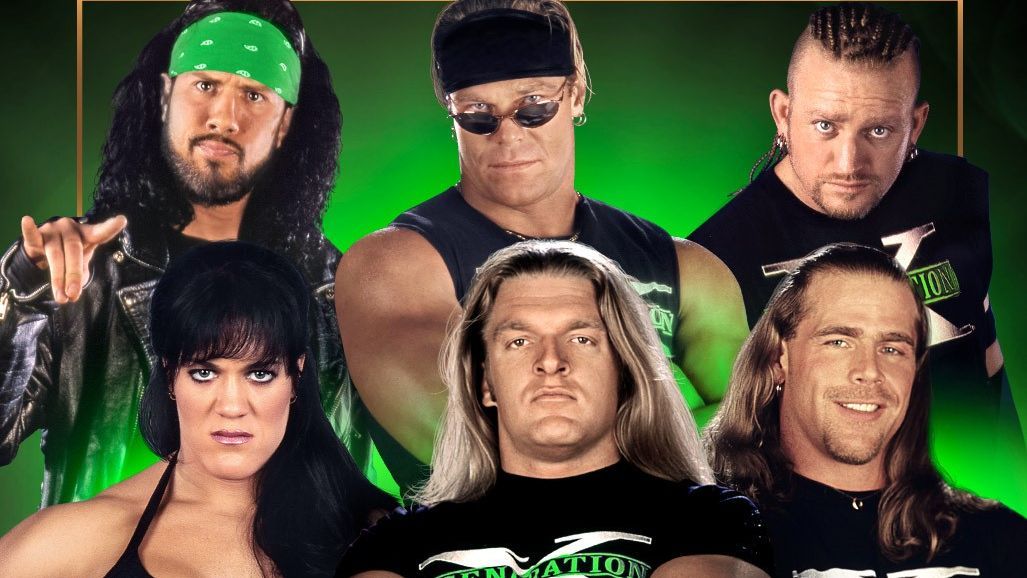
In 2019, D-Generation X entered the WWE Hall of Fame with Triple H, Shawn Michaels, Chyna, X-Pac, Road Dogg, and Billy Gunn recognized as members of the inducted lineup.
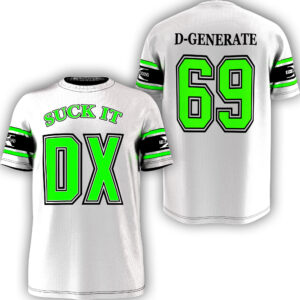
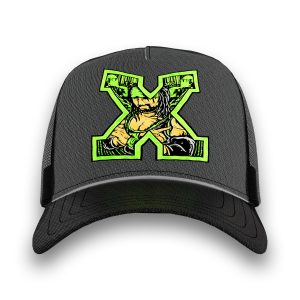
DX remains important because it showed how a faction could become a complete wrestling brand: entrance, attitude, catchphrases, merchandise, comedy, and storyline identity all working together.