

DX vs. nWo: Two Different Blueprints for Wrestling Rebellion
D-Generation X is often described as WWE’s answer to WCW’s nWo, but the comparison works better when the differences are taken seriously. Both groups became symbols of the Monday Night War. They simply represented different kinds of rebellion.
D-Generation X vs. nWo: Two Different Stakes
When Scott Hall and Kevin Nash appeared in WCW in 1996, the storyline created uncertainty about where the invasion was coming from and what it meant for the company. Hulk Hogan’s heel turn completed the transformation. The nWo presented itself as a force attempting to take over WCW from within.
That concept changed the tone of wrestling television and helped push the Monday Night War into a hotter phase.
DX Built a Different Identity
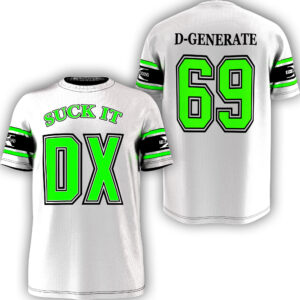
D-Generation X formed in 1997 around Shawn Michaels, Triple H, Chyna, and Rick Rude. Instead of presenting itself as an outside organization taking control, DX attacked authority through mockery, provocation, humor, and deliberate disrespect for WWE’s own conventions.
The group’s name grew out of the “degenerate” label associated with the Michaels and Bret Hart rivalry. DX embraced the insult and turned it into an identity.
Triple H and the Second Version
After Shawn Michaels stepped away following WrestleMania XIV, Triple H led a reworked lineup with Chyna, X-Pac, Road Dogg, and Billy Gunn. That version leaned even harder into crowd interaction, comedy, and faction branding.
The famous WCW invasion-style stunt became an obvious point of comparison between DX and the nWo, but the tone remained different. The nWo’s threat was control. DX’s appeal was disruption.
ShopWrestling Take
The nWo deserves credit for changing the competitive landscape first. DX deserves credit for becoming something distinct rather than functioning as a simple imitation. Both factions helped define the era because they gave fans two recognizable forms of anti-establishment wrestling at the same time.
That is a more useful comparison than arguing that one group was merely a copy of the other.